

 English
 Deutsch
 italiano
 中文簡體
中文簡體
Author: Admin Date: 2025-12-18
What are the advantages of brushless DC motors over brushed motors?
Content
- 1 Overview of Brushless and Brushed DC Motors
- 2 Higher Energy Efficiency and Power Utilization
- 3 Longer Service Life and Reduced Wear
- 4 Lower Maintenance Requirements
- 5 Superior Speed and Torque Control
- 6 Reduced Electrical Noise and Sparking
- 7 Higher Power Density and Compact Design
- 8 Improved Thermal Performance
- 9 Comparison of Brushless and Brushed Motors
- 10 Applications That Benefit Most from Brushless DC Motors
- 11 Cost Considerations and Long-Term Value
- 12 Conclusion: Why Brushless DC Motors Are Gaining Preference
Overview of Brushless and Brushed DC Motors
Brushless DC motors and brushed DC motors are two widely used electric motor technologies, each designed to convert electrical energy into mechanical motion. While both serve similar purposes, their internal structures and operating principles differ significantly, leading to distinct performance characteristics. Understanding these differences is essential when evaluating why brushless DC motors have become increasingly popular across industrial, commercial, and consumer applications.
Brushed motors rely on physical brushes and a mechanical commutator to control current flow in the motor windings. In contrast, brushless DC motors use electronic controllers to manage commutation, eliminating the need for brushes. This fundamental difference is the basis for many of the advantages brushless DC motors offer over brushed motors.
Higher Energy Efficiency and Power Utilization
One of the most significant advantages of brushless DC motors is their higher energy efficiency. In brushed motors, friction between the brushes and the commutator causes energy losses in the form of heat and mechanical wear. Brushless DC motors eliminate this friction, allowing a greater percentage of input electrical energy to be converted into useful mechanical output.
Because of this improved efficiency, brushless DC motors typically consume less power to achieve the same torque and speed as brushed motors. This makes them particularly suitable for battery-powered devices, energy-conscious industrial systems, and applications where long operating hours are required.
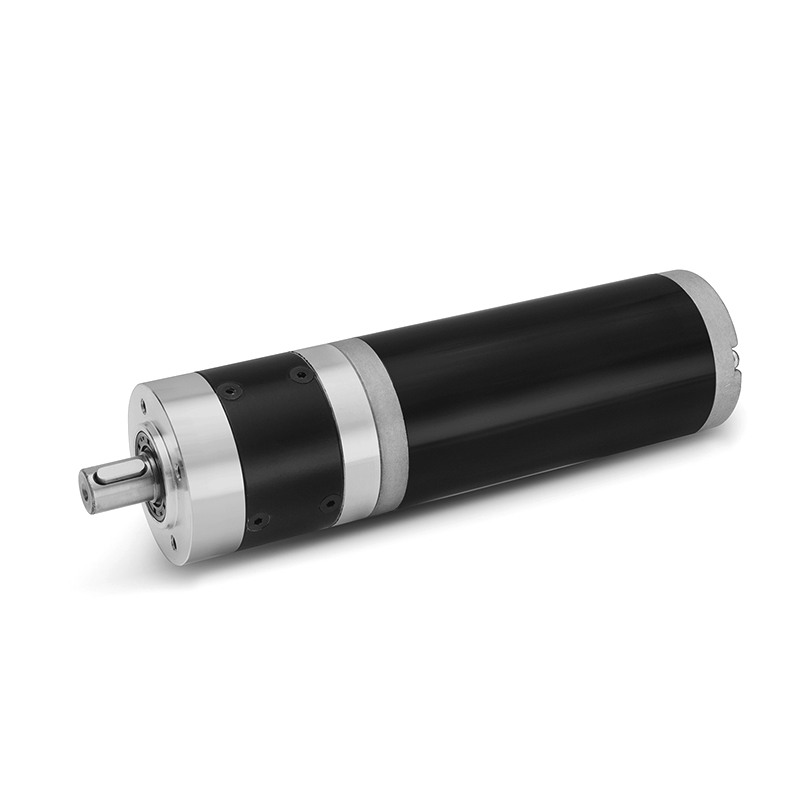
Efficiency Benefits in Practical Applications
- Reduced electrical losses and lower operating temperatures
- Longer battery life in portable and electric vehicle systems
- Lower energy costs in continuous industrial operations
Longer Service Life and Reduced Wear
Brushless DC motors are known for their extended service life compared to brushed motors. In brushed designs, the brushes gradually wear down due to constant contact with the commutator, eventually requiring replacement. This wear not only shortens the motor’s lifespan but can also lead to inconsistent performance over time.
By removing brushes and mechanical commutation, brushless DC motors significantly reduce internal wear. The absence of brush friction results in smoother operation and a longer operational lifespan, making these motors ideal for applications where reliability and longevity are critical.
Lower Maintenance Requirements
Maintenance is a key consideration in motor selection, especially for industrial and commercial equipment. Brushed motors require periodic inspection and replacement of brushes, which increases downtime and maintenance costs. In contrast, brushless DC motors require minimal routine maintenance because there are no brushes to replace.
This low-maintenance characteristic makes brushless DC motors particularly advantageous in hard-to-access installations, automated systems, and applications where uninterrupted operation is essential. Over the long term, reduced maintenance contributes to lower total cost of ownership.
Superior Speed and Torque Control
Brushless DC motors offer superior control over speed and torque due to their electronic commutation systems. The motor controller precisely regulates current and timing, allowing for smooth acceleration, accurate speed regulation, and consistent torque output across a wide operating range.
Brushed motors, while simpler to control, lack the same level of precision. Variations in brush contact and commutator condition can cause fluctuations in performance. Brushless DC motors, on the other hand, deliver stable and predictable operation, which is essential in robotics, automation, and CNC machinery.
Reduced Electrical Noise and Sparking
Electrical noise and sparking are inherent issues in brushed motors due to the physical contact between brushes and the commutator. This sparking can generate electromagnetic interference and limit the motor’s suitability for sensitive electronic environments.
Brushless DC motors eliminate brush-related sparking entirely. As a result, they produce lower electrical noise and are safer for use in environments where sparks could pose risks, such as medical equipment, precision instruments, and enclosed systems.
Higher Power Density and Compact Design
Another advantage of brushless DC motors is their higher power density. Because they operate more efficiently and generate less heat, brushless designs can deliver higher output power from a smaller and lighter motor package. This compactness is highly valuable in modern product design.
In applications such as drones, electric vehicles, and portable tools, space and weight constraints are critical. Brushless DC motors allow designers to achieve high performance without increasing the size or weight of the system.
Improved Thermal Performance
Heat management is an important factor affecting motor efficiency and longevity. In brushed motors, heat builds up at the brushes and commutator, which can accelerate wear and reduce performance. Brushless DC motors generate less internal heat due to reduced friction and optimized current control.
Better thermal performance allows brushless DC motors to operate at higher speeds and loads without overheating. This capability enhances reliability and expands the range of suitable applications.
Comparison of Brushless and Brushed Motors
| Feature | Brushless DC Motors | Brushed DC Motors |
| Efficiency | High | Moderate |
| Maintenance | Low | High |
| Service Life | Long | Shorter |
| Speed Control | Precise | Limited |
| Electrical Noise | Low | High |
Applications That Benefit Most from Brushless DC Motors
Due to their advantages, brushless DC motors are widely used in applications that demand efficiency, precision, and reliability. These include electric vehicles, industrial automation, HVAC systems, medical devices, and renewable energy equipment.
While brushed motors still have a place in low-cost or low-duty applications, brushless DC motors are increasingly becoming the preferred choice as electronic control technology becomes more accessible and cost-effective.
Cost Considerations and Long-Term Value
Brushless DC motors typically have a higher initial cost due to the need for electronic controllers and more complex design. However, this upfront investment is often offset by lower energy consumption, reduced maintenance, and longer service life.
When evaluated over the full lifecycle of the motor, brushless DC motors often provide better overall value than brushed motors, especially in demanding or continuous-use applications.
Conclusion: Why Brushless DC Motors Are Gaining Preference
The advantages of brushless DC motors over brushed motors are clear across multiple performance dimensions. Higher efficiency, longer lifespan, lower maintenance, and superior control make brushless DC motors well-suited for modern engineering requirements.
As industries continue to prioritize energy efficiency, reliability, and precision, brushless DC motors are likely to replace brushed motors in an increasing number of applications. Understanding these advantages helps engineers and buyers select the most appropriate motor technology for their specific needs.

-
Feedback
Related products



Hotline:0086-15869193920
Time:0:00 - 24:00
